
7 Fort Worth Neighborhood Clues First-Time Buyers Should Notice Before Touring
7 Fort Worth Neighborhood Clues First-Time Buyers Should Notice Before Touring
House hunting gets a lot easier when you know what to look for before you fall in love with quartz counters or a pretty front door. In Fort Worth, neighborhood character can shift from block to block, and first-time buyers who pay attention early often make more confident decisions later. The smartest tours start long before you step into the foyer: they begin with the street, the traffic pattern, the nearby amenities, and the overall rhythm of daily life. If you want a home that fits not just your budget but your routine, these clues are worth noticing right away.
1. Watch the pace of the street. One of the fastest ways to understand a neighborhood is to spend two minutes doing nothing at all. Listen for traffic. Notice whether cars move slowly and naturally, or if drivers are cutting through at higher speeds. Look for sidewalks, visible crosswalks, and neighbors out walking dogs or jogging in the evening. In many Fort Worth communities, a quiet, lived-in feel often tells you more than listing remarks ever could. A beautiful house on a stressed-through corridor may feel very different at 6 p.m. than it does during a Saturday morning showing.
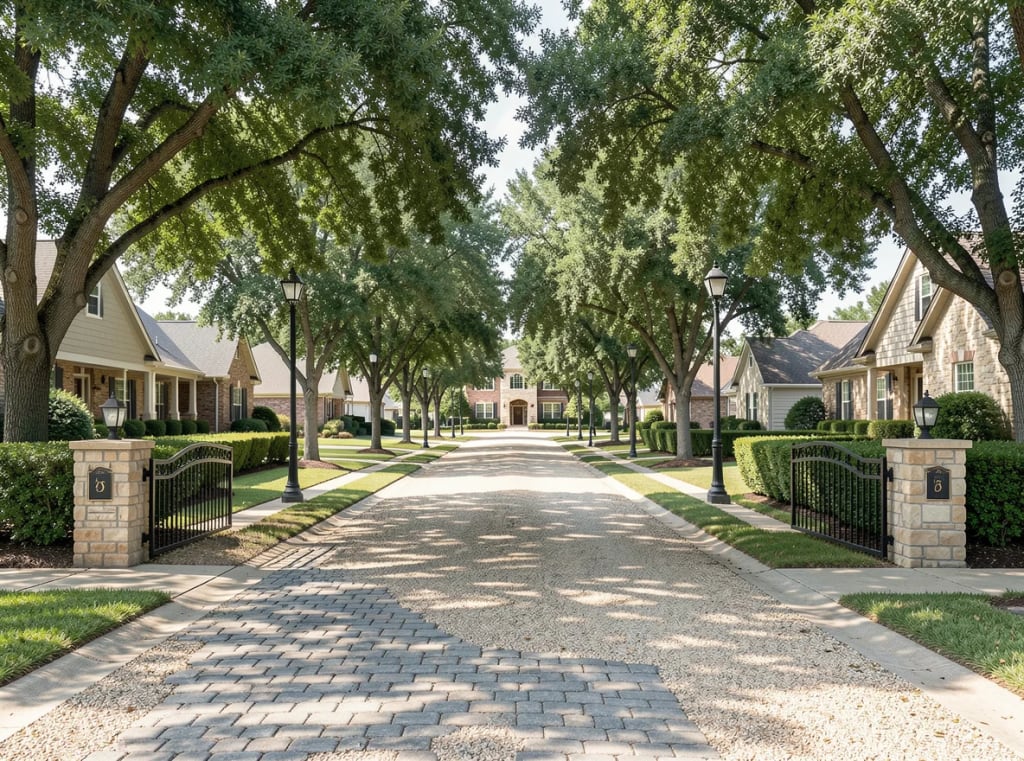
2. Look at the condition of nearby homes, not just the one for sale. First-time buyers sometimes focus so tightly on the target property that they miss the larger pattern around it. Are lawns generally maintained? Do fences, roofs, and driveways look cared for? Is there pride of ownership, or does upkeep vary sharply from one lot to the next? You do not need a picture-perfect block, but consistency matters. It can hint at neighborhood stability, future resale appeal, and whether owners tend to invest in their properties over time. In a market as varied as North Texas, these small signals can be surprisingly important.
3. Test the convenience factor in real life. A map can make almost any area look close to everything. In reality, convenience is about your actual routine. Before touring, check the drive to work, your preferred grocery stop, fitness studio, school, or weekend errand route. Fort Worth buyers should also think about access to major commuter corridors and how that affects morning and evening movement. A location that looks central may still feel inconvenient if every trip requires multiple busy turns or a long wait at major intersections. For buyers balancing work, school schedules, and family time, those minutes add up quickly.
Community character matters more than a fresh paint color
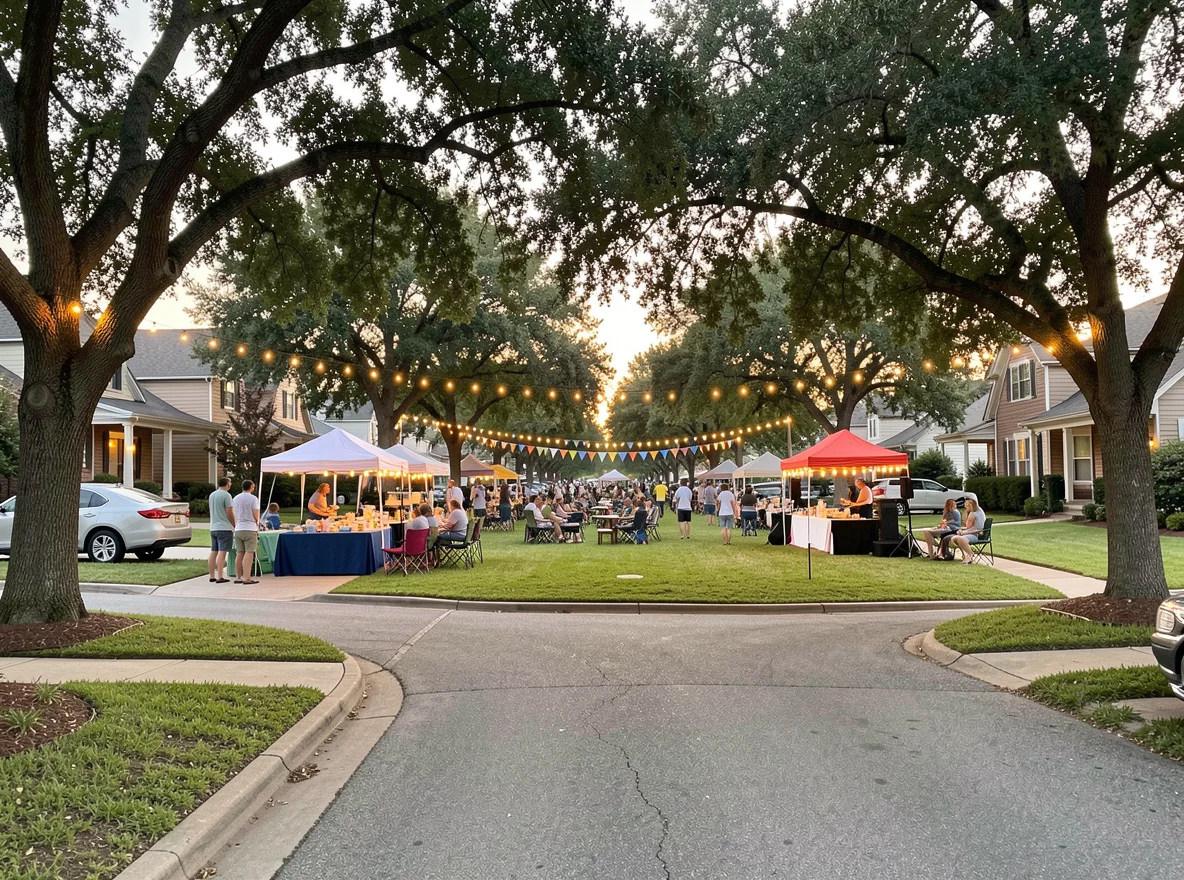
4. Notice where people spend time outdoors. Some neighborhoods feel connected because they offer natural places to gather and unwind. Parks, trails, greenbelts, and shaded open spaces can shape the whole tone of a community. Even if you are not an avid runner or picnic planner, nearby recreation often improves day-to-day livability. In Fort Worth, access to walking paths, neighborhood parks, and open-air community spaces can make an area feel more balanced and family-friendly. If outdoor life seems absent, ask yourself whether that matches the lifestyle you want over the next several years.
5. Pay attention to school-area clues, even if schools are not your top priority today. Buyers without children sometimes skip this step, but school reputation and school-related traffic patterns can affect property value, resale interest, and everyday convenience. Notice crossing signals, pick-up congestion, and how the neighborhood feels during weekday afternoons. Researching attendance zones, nearby campuses, and district changes can help you understand the broader market appeal of a location. Good buying decisions are not just about your current chapter; they are also about flexibility when it is time to sell.

6. Evaluate the mix of old charm and ongoing change. Fort Worth has neighborhoods with established character, newer development, and everything in between. Neither is automatically better. The key is understanding what kind of transition, if any, is happening around you. Are new builds appearing beside older homes? Are renovations thoughtful and consistent? Is the area gradually improving, or does it feel unsettled? For first-time buyers, a neighborhood in the right stage of growth can offer opportunity, but rapid change also deserves careful review. Property taxes, future construction, and shifting buyer demand all tie into this clue.
7. Scan for everyday lifestyle support. This goes beyond trendy destinations. The best neighborhoods support ordinary life well. Think about access to local gathering spots, healthcare, schools, recreation, and routine services without making every task feel like a project. A buyer may not need every amenity within five minutes, but it helps when the area feels practical as well as appealing. That mix of charm and usability is often what turns a house into a home. It is also where local guidance becomes valuable, because someone who understands Fort Worth block by block can point out advantages that do not jump off a listing page.
That is one reason many first-time buyers benefit from working with a brokerage rooted in the North Texas market. A boutique firm with direct support can help you compare neighborhoods with more nuance than a search filter ever will. Branding Iron Realty, PLLC brings local Fort Worth-area knowledge and a personalized approach that can be especially useful when you are weighing tradeoffs like commute time, community feel, price point, and future upside. For buyers, sellers, and investors alike, neighborhood context is often where the best decisions are made.
Before the tour, drive the block like a local
If you want a practical next step, schedule your own mini preview before the official showing. Drive through once in the morning, once in the evening, and if possible on a weekend. Notice noise levels, parking patterns, light commercial influence nearby, and whether the neighborhood feels relaxed or rushed. Look at how homes sit on their lots, how close you are to busier roads, and whether the area matches the version of life you are hoping to build. Fort Worth offers a wide range of options, and first-time buyers who study the neighborhood first usually tour homes with sharper instincts and fewer regrets.
In the end, the goal is not to find a flawless area. It is to find a neighborhood that supports your priorities and still makes sense financially. When you know how to read these seven clues, you walk into each showing with more clarity, better questions, and a stronger sense of what really fits. That confidence can make all the difference in a competitive market.